
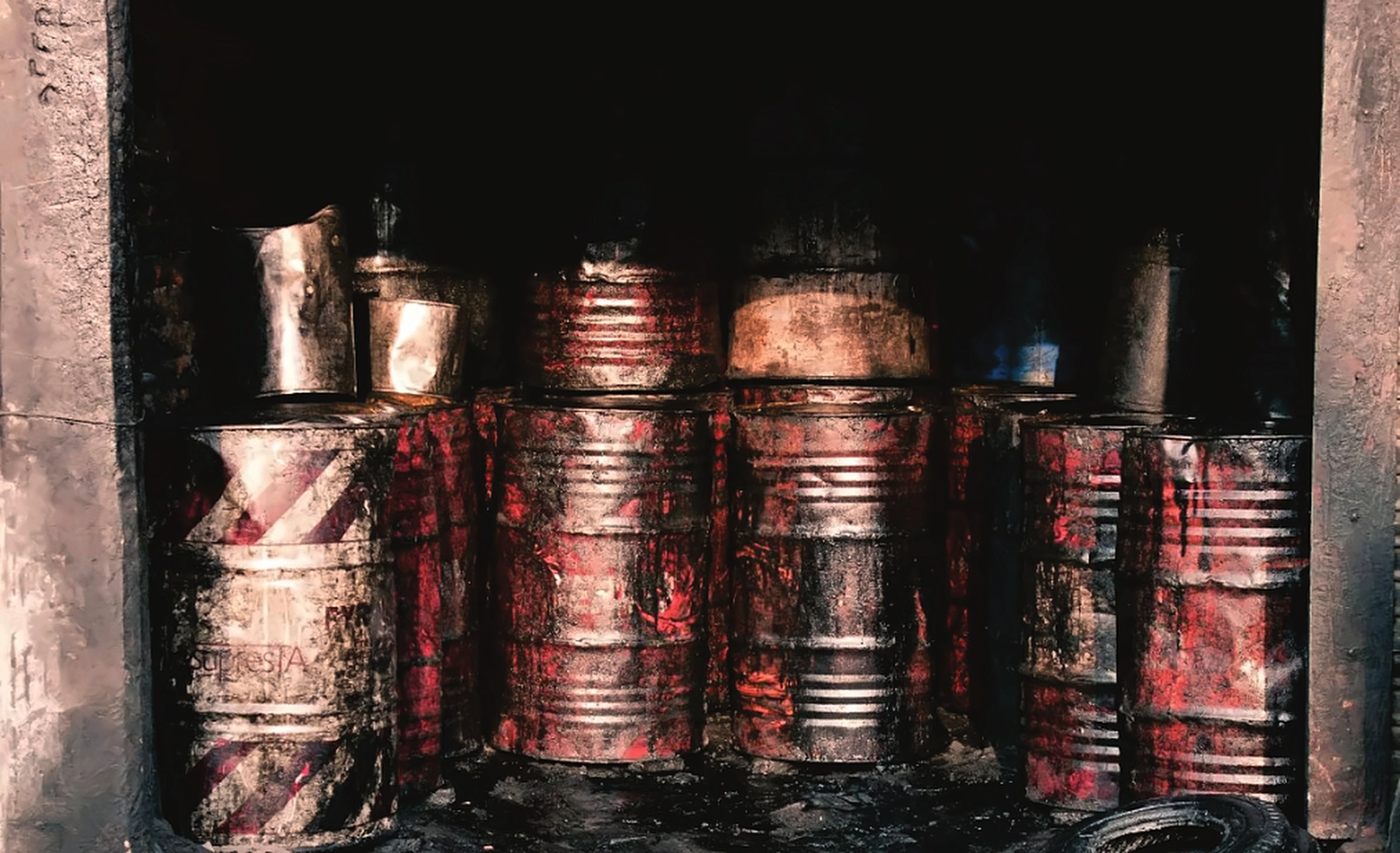
Where untreated used oil ends up.
Used oil is classified as hazardous waste under India's Hazardous and Other Wastes Rules, 2016. Much of it still moves through the informal scrap trade, where it is burnt as cheap fuel or poured into drains and open ground.
What used engine oil contains
During use, oil picks up metals from engine wear and additives, including lead, zinc and barium, along with fuel, water and polycyclic aromatic hydrocarbons (PAHs) formed during combustion. These are the reasons it is regulated as hazardous waste.
The used oil from a single oil change can contaminate a million gallons of fresh water, a year's supply for 50 people (US EPA).
Burning hazardous waste in unauthorised furnaces and kilns releases toxic fumes, including dioxins, furans, mercury and heavy metals.
Oil poured on open ground soaks in. The heavier hydrocarbons and metals bind to the soil and stay there, and runoff carries the rest towards groundwater and drains.
Scrap trade or authorised recycler
Drag the handle to compare.
Sold for cash with no testing and no paperwork. The buyer is often unlicensed, and the oil can end up burnt as fuel or dumped.
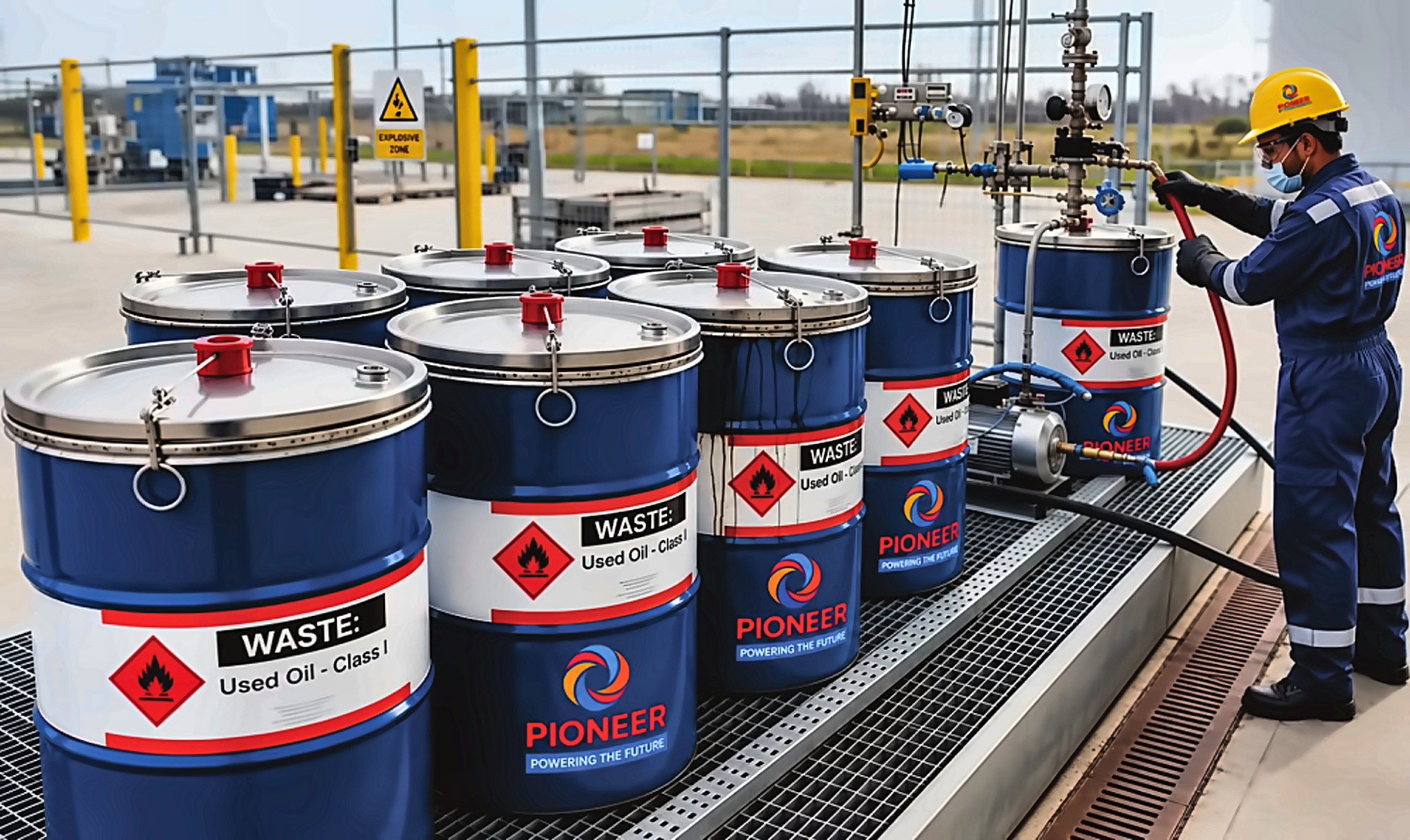
Collected by an authorised recycler with a Form 10 manifest and GST invoice, tested, and re-refined into base oil at Bahadurgarh.
Most of a drum of used oil is still base oil
Who decides where used oil goes
Service centres and workshops
Sell only to an authorised recycler and keep the Form 10 for every load.
How Bharat Crude works →Vehicle owners
Ask your workshop where the oil drained from your car goes.
Lubricant producers
Meet your EPR target through a registered re-refiner rather than energy recovery alone.
EPR for producers →